How to Design Cars in Build a Car Company
Part synergy, crash testing, and model roles from daily drivers to race specials.
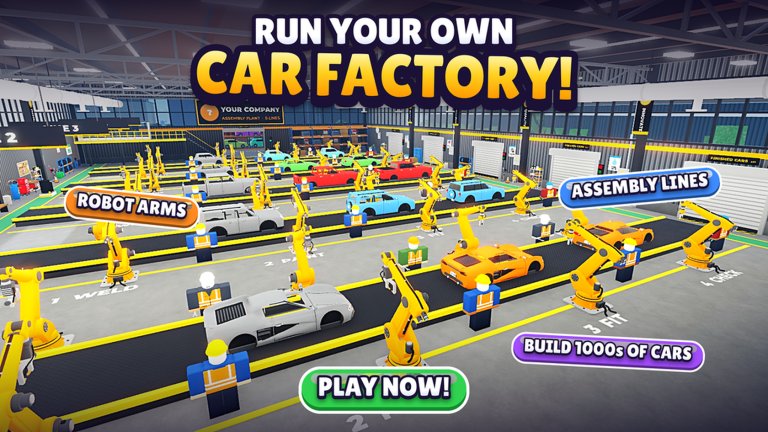
Design is the creative heart of Build a Car Company. Every model you ship starts as a stack of choices—body, engine, drivetrain, chassis, paint, wheels, interior—then has to survive crash tests, test drives, and the market. This guide shows how to build cars that sell and race instead of sitting on the lot.
If you are brand new, skim Getting Started first. Come back here when you are ready to iterate beyond the tutorial hatchback.
The design checklist
Work top to bottom each time you open the studio:
- Pick a role — daily seller, premium GT, rally, drag, or Formula special.
- Choose a body that matches the role and tooling budget.
- Select an engine from the current engines tier list.
- Match drivetrain and chassis so weight and power stay balanced.
- Fit wheels and interior appropriate to price tier.
- Paint last—cosmetics after performance locks.
- Crash test → test drive → adjust → approve.
Skipping tests is the fastest way to tank reputation.
Bodies and market fit
Compact and sedan bodies clear volume early because tooling and materials stay cheap. Coupes and low sports shells look great at motor shows but need stronger engines and higher prices to justify margins. Vans or utility shells can work as fleet sellers if you unlock the right chassis.
Ask: will this body still make sense after the next research unlock? If a research node is two hours away and dramatically improves the same shell, wait before mass-producing a dead-end SKU.
Engines and drivetrains
Petrol reliability wins early. Overpowered engines on weak chassis fail crash tests or scare buyers with poor efficiency. Pair:
- Economy petrol + FWD compact for volume Cash
- Mid petrol + RWD coupe for premium street sales
- High-output builds only after chassis and cooling research catch up
Late research opens hydrogen and experimental tech. Those shine once your factory can fund the tooling—see research priority.
Crash tests and test drives
Treat crash testing as a gate, not a formality. If structural scores fail:
- Reinforce chassis choice
- Reduce engine mass or power band
- Adjust wheelbase / wheel package
- Re-test before approving production
Test drives reveal handling and customer “feel.” A car that passes crash but understeers badly still sells poorly. Make one change at a time so you know what fixed the score.
Pricing the model
After approval, set price in the factory flow:
- Cost floor = parts + tooling amortized
- Street price = cost floor + margin the market accepts
- Race halo models can sit higher if trophies and fans boost brand value
If inventory piles up, cut price 5–10% or improve the next revision instead of panic-discounting forever. The Make Money Fast guide covers demand signals.
Model lineup strategy
Healthy companies run a small lineup:
| Slot | Purpose | Notes |
|---|---|---|
| Volume seller | Daily Cash | Cheap body, reliable engine |
| Premium street | Brand + margin | Better interior, stronger motor |
| Race special | Fans / sponsors | Tuned for one series |
Avoid six half-finished prototypes. Finish, sell, then revise. Designers you hire in the staff guide speed each revision cycle.
Motor shows and rivals
Showing a weak car at a motor show teaches rivals nothing useful about your brand. Bring the premium street or race special once ratings look competitive. Beating rival carmakers is easier when your hero product already sells at home—pair showings with Updates event timing.
Common design mistakes
- Max horsepower on day-one chassis
- Ignoring crash failures “just this once”
- Painting before the mechanical package is locked
- Building only race cars with no volume seller
- Copying a YouTuber’s late-game build with early tech
Watch the embedded video mid-page for a full play session, then adapt parts to your unlocked research—not someone else’s endgame garage.
Related guides
- Factory Guide — produce what you design
- Racing — series-specific tunes
- Engines tier list — current powertrain ranks
- Codes — fund the next revision
Design with a role, test honestly, price with data, and your company story writes itself one SKU at a time.
Frequently Asked Questions
Quick answers to the most common questions.
What parts can I customize?
Body, engine, drivetrain, chassis, paint, wheels, and interior, then crash test and test drive before production.
Should I design a race car first?
Build a reliable volume seller first so Cash funds a dedicated race special later.
Why did my car fail the crash test?
Usually chassis and engine mismatch. Lower power, reinforce chassis, or change body class and re-test.
When should I use hydrogen or flying-car tech?
After factory Cash flow is stable and the required research nodes are unlocked—see the research tier list.